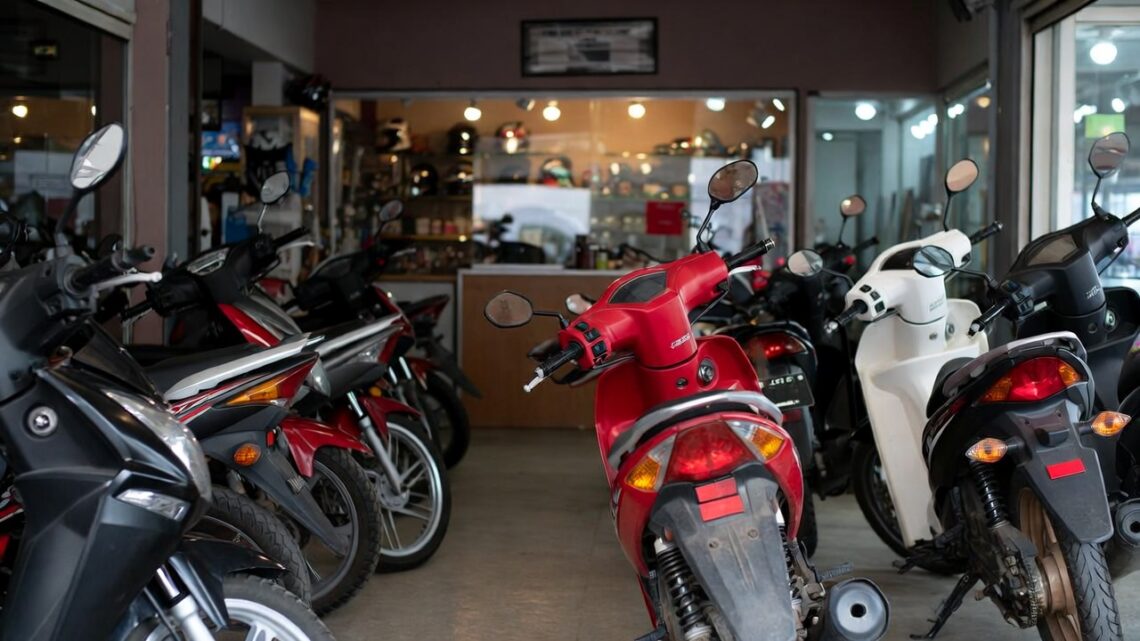
I remember the first time I walked into an e motorbike shop looking for something to replace my daily commute. I had no idea what half the specs meant, and the guy behind the counter could tell within about ten seconds. That’s usually how it goes for most people — you show up curious, a little overwhelmed, and you leave either excited or completely confused. It took me two more visits before I actually understood what I was buying, and honestly, most of that understanding came from asking dumb questions out loud instead of quietly nodding along.
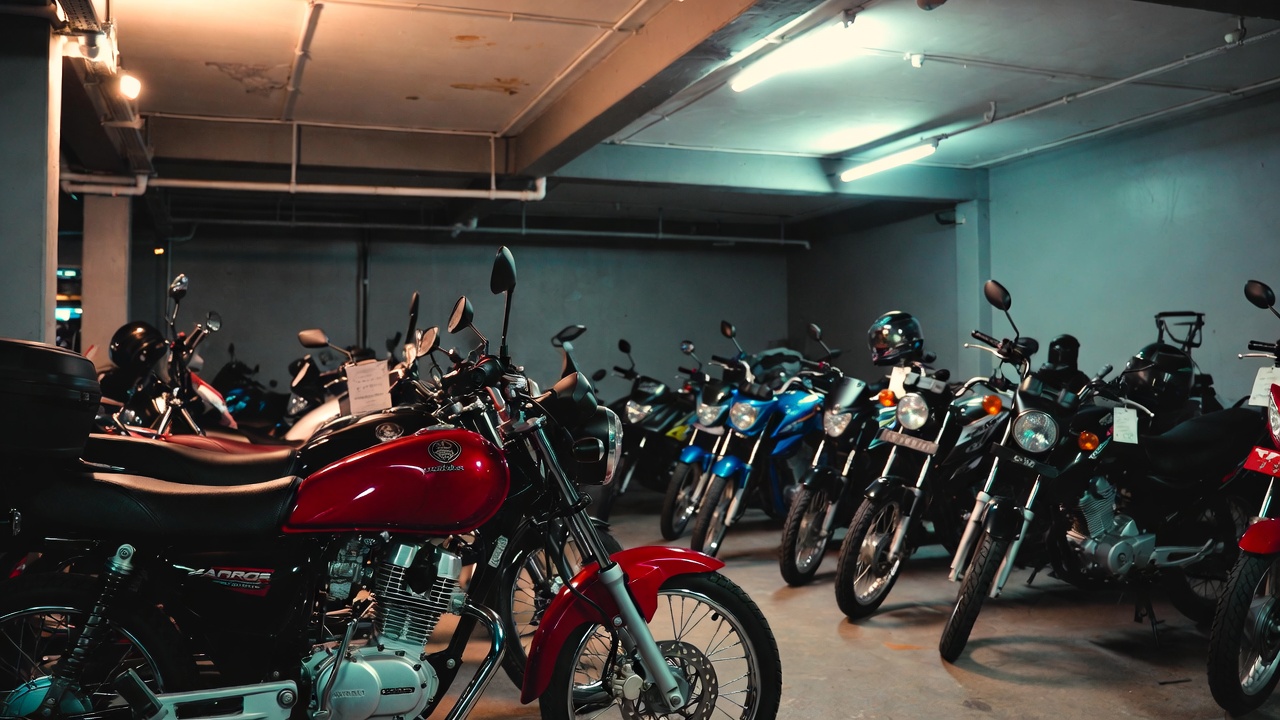
What Nobody Tells You About Battery Range
Every listing you’ll see online promises impressive numbers — sixty kilometers, eighty, sometimes more. What they don’t mention is that those figures come from ideal conditions: flat roads, no wind, a rider who weighs less than most adults actually do. Real range depends on hills, cargo, temperature, even how aggressively you twist the throttle. Cold mornings alone can knock off a fifth of what the box promises, and a headwind on the way home can quietly erase the rest of that buffer you thought you had.
A decent electric bikes shop will walk you through this honestly instead of just quoting the manufacturer’s brochure. If a salesperson refuses to talk about worst-case scenarios, that’s worth noticing. It usually means they’re selling you the number, not the bike.
Some things worth asking before you buy:
- How does range change in cold weather?
- What’s the actual charging time, not the marketing number?
- Is the battery removable, or does the whole bike need to be plugged in?
A Friend’s Bad Experience Taught Me More Than Any Review
A friend of mine bought his first electric bike from an online-only retailer because it was two hundred dollars cheaper. Three weeks later the controller failed, and there was no local electric bike shop willing to touch a brand they didn’t stock. He ended up shipping the whole bike back and forth twice before it got fixed, and he lost most of a summer waiting on parts that were sitting in a warehouse overseas.
That’s the part comparison charts never capture — support after the purchase matters just as much as the specs before it. A shop that’s actually invested in the product, not just moving inventory, tends to stick around when something breaks. You’re not only paying for the bike, you’re paying for someone to answer the phone later, and for someone who has actually seen that exact model fail before and knows what to check first.
It’s Not Just About the Bike Itself
Here’s something that surprised me: the best ebike store I visited spent almost as much time talking about riding posture and local regulations as they did about the machine itself. Where I live, certain models need registration; others don’t. Helmet laws vary by region too, and nobody mentions that until you’re already riding one home.
This is the part that separates a shop that just sells hardware from one that treats the sale as the start of a relationship. It’s a small distinction on paper, but it shows up later, usually right when you need it most — a worn brake pad, a firmware update, a question about insurance you didn’t think to ask.
Choosing where to buy isn’t only about price, and it’s rarely just about which e motorbike shop has the flashiest window display. It’s about who picks up the phone when something goes wrong, and whether they actually know the machine they sold you.
Walk in with questions, and pay attention to how they’re answered. That conversation, more than anything on the spec sheet, tells you what you’re actually signing up for.