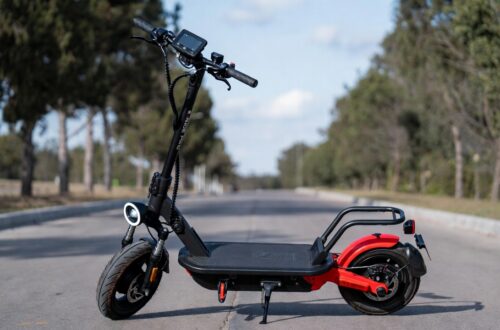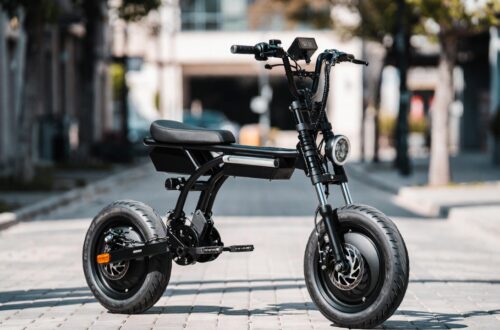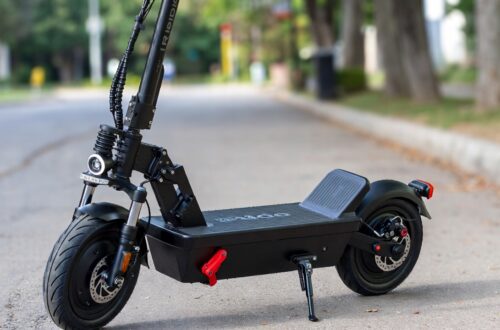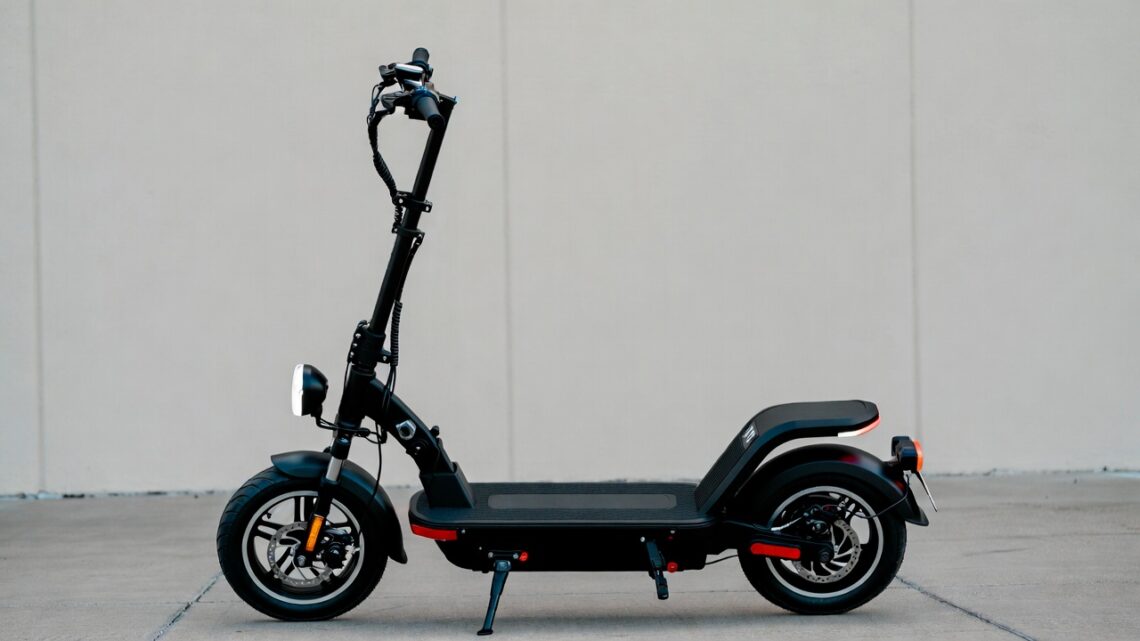
A guy at the shop warned me not to twist the throttle past halfway on my first lap with the E Ride Pro SR. I ignored him for about two seconds, out of habit more than defiance, and that was more than enough to understand exactly why he said it.
This Isn’t a Bike That Meets You Halfway
Plenty of electric dirt bikes are forgiving of a heavy hand, built with enough restraint in the power curve that a mistake just feels like an overcorrection instead of a real problem. The E Ride SR doesn’t work that way. Open the throttle carelessly and the front wheel comes up whether you asked for it or not, and there’s no gentle ramp warning you it’s coming, just an immediate and slightly alarming shift in weight toward the rear.
That’s not a flaw, it’s just what a genuinely high-output machine feels like once you’re past the point of easing riders into it gently, the kind of bike that assumes you already know what you’re doing. Bikes built for experienced hands are allowed to assume competence, and this one clearly does. It rewards a rider who’s already spent real time learning throttle control on something smaller, and it punishes anyone borrowing it without that groundwork first, sometimes within the first thirty feet.
Suspension Setup Stopped Being an Afterthought
I used to treat suspension adjustment as something you set once and forget about, a box to check during setup and never revisit. That habit didn’t survive an afternoon on the E Ride Pro SR. With this much power on tap, an under-sprung fork gets overwhelmed almost instantly on anything rougher than a smooth trail, diving hard under braking and skipping over chop instead of tracking through it the way it should.
Spending real time dialing in compression and rebound made a bigger difference here than on any bike I’ve owned before, gas or electric. It’s the kind of adjustment most riders skip on lighter machines because they never notice the deficit — the bike just quietly compensates. On the SR, you notice within the first few corners, and ignoring it gets uncomfortable fast.
A few things worth checking before pushing this bike hard, especially if you’re coming from anything smaller or less powerful:
- Fork and shock settings matched to your actual weight, not a factory default
- Tire pressure appropriate for the terrain you’re actually riding
- Brake bite point, since stopping power needs to match the acceleration
Range Changes the Kind of Rides You Plan
Here’s where the SR quietly surprised me in a completely different direction. All that power suggests a bike that drains its battery in minutes, an assumption most people carry over from smaller electric bikes, but the larger pack changes the math. Riding conservatively, longer loops that used to mean turning back early suddenly felt genuinely possible without babying the throttle the entire way just to make it home.
That range doesn’t erase the tradeoff of the extra weight, though. Carrying a bigger battery means carrying more mass through every corner, and that shows up the moment you’re wrestling the bike back onto a line after a mistake rather than just picking it up the way you would on something smaller.
By the end of that first ride, the shop guy’s warning made complete sense in hindsight, and I found myself repeating a version of it to the next person who wanted to throw a leg over the bike. The E Ride Pro SR isn’t interested in flattering a rider who isn’t ready for it, and there’s something almost refreshing about a machine that doesn’t pretend otherwise, that trusts you enough to hand over everything it’s got at once.